

Focus on Fuels
Why Today’s Log Produces Twice the Heat It Did in 1990
Plan Your Fire Project
By Alyssa Jerome
| November 19, 2025
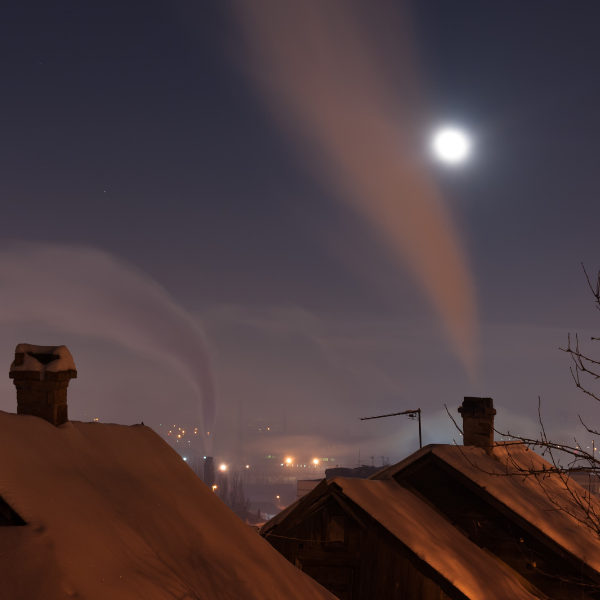
If you observe houses during the cold winter nights, you notice that there is almost no more smoke coming out of chimneys. One might think that wood heating has disappeared from Quebec, but this is not the case. The tradition is still present. How is this possible?
There is no such thing as “magic” wood. It is not drier, more efficient, or fundamentally different. The wood we use today is the same as it was 30 years ago. The actual difference lies in the appliance.
The Hidden Flaws of Old Wood Appliances
Old wood stoves and fireplaces had a certain charm, but their efficiency left much to be desired. A large portion of the heat escaped through the chimney. It is estimated that 40-60% of the energy contained in the wood was lost in the smoke. Each visible plume literally represented energy burned for nothing.
The wood burned too quickly and unevenly, producing less heat for the house and increasing pollution from incomplete combustion; the gases and particles in the smoke were not entirely burned.
All this led to excessive wood consumption. Many more logs were needed to obtain sufficient heating, more ashes and more maintenance, but always less truly useful heat. In summary, the old appliances were simply inefficient. The heat seemed present, but a large part escaped into the air and was thus wasted.
Why Modern Wood Appliances Change Everything
Today, stoves and fireplaces are no longer like those models of the past. The enormous progress does not lie in the wood, but in the engineering behind the appliance. Every detail is designed to maximize heat, reduce smoke and use each log to the maximum of its potential. Here is why:
1. The Log is Now Completely Burned Out
The gases and particles that used to go up in smoke are now burned inside the device. This additional combustion transforms what was once lost into useful heat and significantly increases energy efficiency. This is known as secondary and tertiary combustion.
2. The Heat Stays Steady and Lasts Longer
Modern stoves regulate the oxygen that feeds the flame. The log burns slowly, completely, and cleanly, producing stable and consistent heat for many hours. This is called precise air control.
3. The New Fireboxes Retain Unused Heat
Wood stoves are no longer handcrafted boxes. They are designed by highly skilled combustion engineers. The materials, combustion chambers, and internal ducts are developed to retain heat in the house rather than letting it escape through the chimney. Even the airflow within the firebox is calculated to extract the maximum energy from the wood. We now have access to optimized designs for heat.

4. A Log Now Burns for Several hours
With these advancements, the same log as in 1990 produces up to twice as much useful heat while consuming less wood and reducing emissions. The house stays comfortable longer without needing to constantly feed the stove. So, we use less wood for more comfort.
A Smart Heat
Today, wood heating is still going strong, especially in the face of uncertain, intense cold and potential power outages. This type of heating is now cleaner and more efficient, not just because of the log itself, but also because of the device.
You will notice that the cost of acquiring a modern appliance is higher than that of older models. Consider the return on investment. Less wood used, more heat, less pollution, and long-lasting comfort more than make up for this initial investment.
So, the next time you see a silent chimney in winter, remember that the magic isn’t in the log, but in the device.

More News
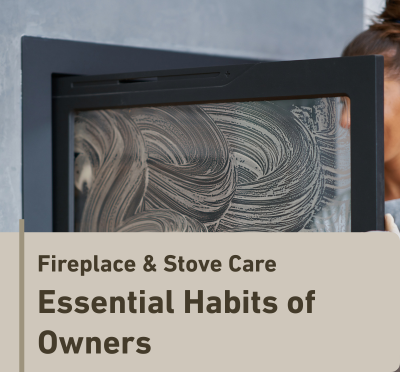
Modern stoves are efficient, but they aren’t maintenance-free. To keep yours performing like new, you need the right habits. This guide breaks down the essential steps to preserve your appliance and guarantee a better fire experience every time.

Warnings about air quality and health risks from wood-burning keep appearing. However, these warnings often do not apply to all wood-burning appliances. Find out why old wood stoves remain a major concern in yearly air quality and health advisories.

Choosing an electric fireplace shouldn’t feel risky. Kozy Heat delivers reliable comfort, refined design and flexible installation, making it a smart, no-regret choice for Ontario homes.