The Canadian Gas Fireplace Market
An HPBAC update on the Canadian gas fireplace industry
A partner in the ecological transition
By Jean-François Fauteux – Coval President
| 28 June 2024
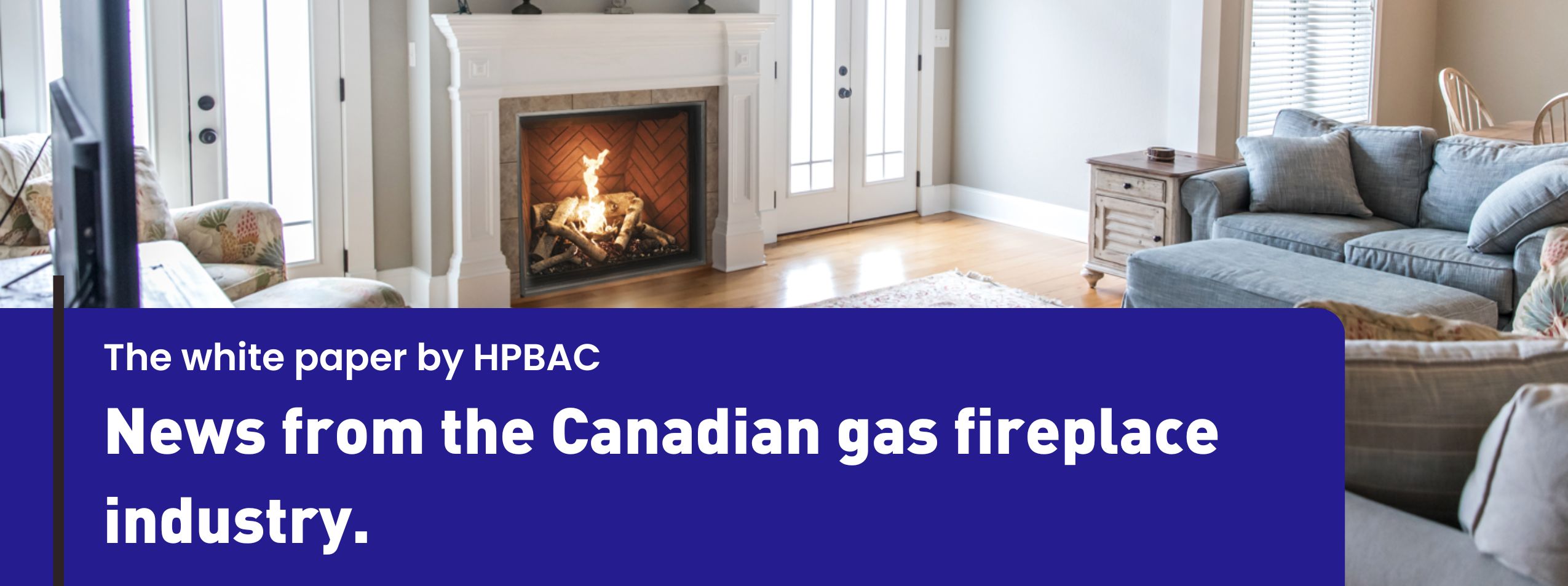
The HPBAC (Hearth, Patio & Barbecue Association of Canada) has recently published a white paper containing important information regarding the Canadian gas fireplace market. As a member of the association, we invite you to take advantage of this significant source of information on the advancement of gas technologies and their active role in environmental decarbonization.
Coval is proud to fully support HPBAC’s position on this subject and invites you to read their white paper. Jean-François Fauteux, our president, is one of the industry members who participated in the work sessions and on the committee that led to the creation of this white paper.
In doing so, the industry consulted different Canadian and provincial companies and organizations working in gas and electricity, in addition to different manufacturers, distributors, and retailers who have part of their business model that includes the sale of gas secondary heat source appliances.
Coval understands that the decarbonization of our environment cannot happen without the gas industry as an interim partner to reduce greenhouse gas emissions, for security, and as a long-term partner that provides non-fossil fuel biogas.
Here is the link to HPBAC’s white paper, along with quick access to our dossier on the role of gas in our society. If you have any questions, please don’t hesitate to contact us. We wish you happy reading.



PLUS DE NOUVELLES

After years of designing Instagram-perfect interiors, the home is becoming a place to experience. Natural materials, deeper colours, invisible wellness, thermal comfort and discreet technologies are transforming high-end interior design and residential architecture. Discover the key trends for 2027 and practical ways to create spaces that feel more personal, sensory and enjoyable to live in.
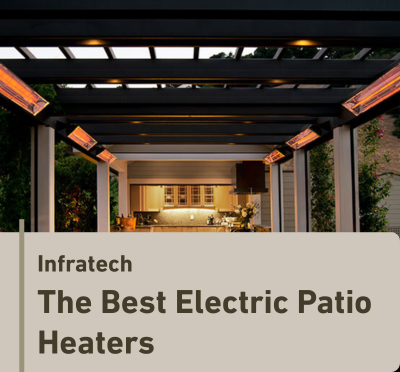
Extend your patio three times longer with Infratech’s premium infrared electric heaters. Find out why this brand is the worldwide leader in enhancing outdoor spaces, especially in Ontario.

Did you know some fireplaces must be planned before your home is even built? Choosing a fireplace involves more than just picking a style. In this guide, discover how to plan your project, compare fireplace types and choose the right solution for your home.