2027 Home Trends
Luxury INTERIOR DESIGN & RESIDENTIAL ARCHITECTURE TRENDS
When the Home Becomes a Wellness Experience
By Alyssa Jerome
| August 26, 2026
In 2027, the home is moving away from the idea of “stripping everything back for Instagram” to become a more personal, sensory environment that is genuinely enjoyable to live in. In this new approach, architecture and interior design are inseparable, working together to shape the experience, comfort and character of a space.
Through six key trends, we explore how this evolution is redefining high-end residential design and offer ideas for integrating flame, thermal comfort and outdoor living into this new way of living.
The Starting Point: Designing Around Invisible Wellness
This evolution reflects very tangible expectations. According to the NKBA, homeowners are increasingly looking for spaces that support their well-being, reflect their identity and simplify everyday life.
The association defines invisible wellness as the features that profoundly improve the experience of a space without necessarily drawing attention to themselves. Lighting, acoustics, air quality, ventilation, thermal comfort, storage and an intuitive floor plan are becoming essential design considerations.
In 2027, decisions therefore extend far beyond colours and materials. They are increasingly shaped by the habits, emotional needs and everyday realities of the people who live in the space.
Six Ways to Embrace Sensory Design
1. Enrich Spaces with Natural Materials and Deeper Colours
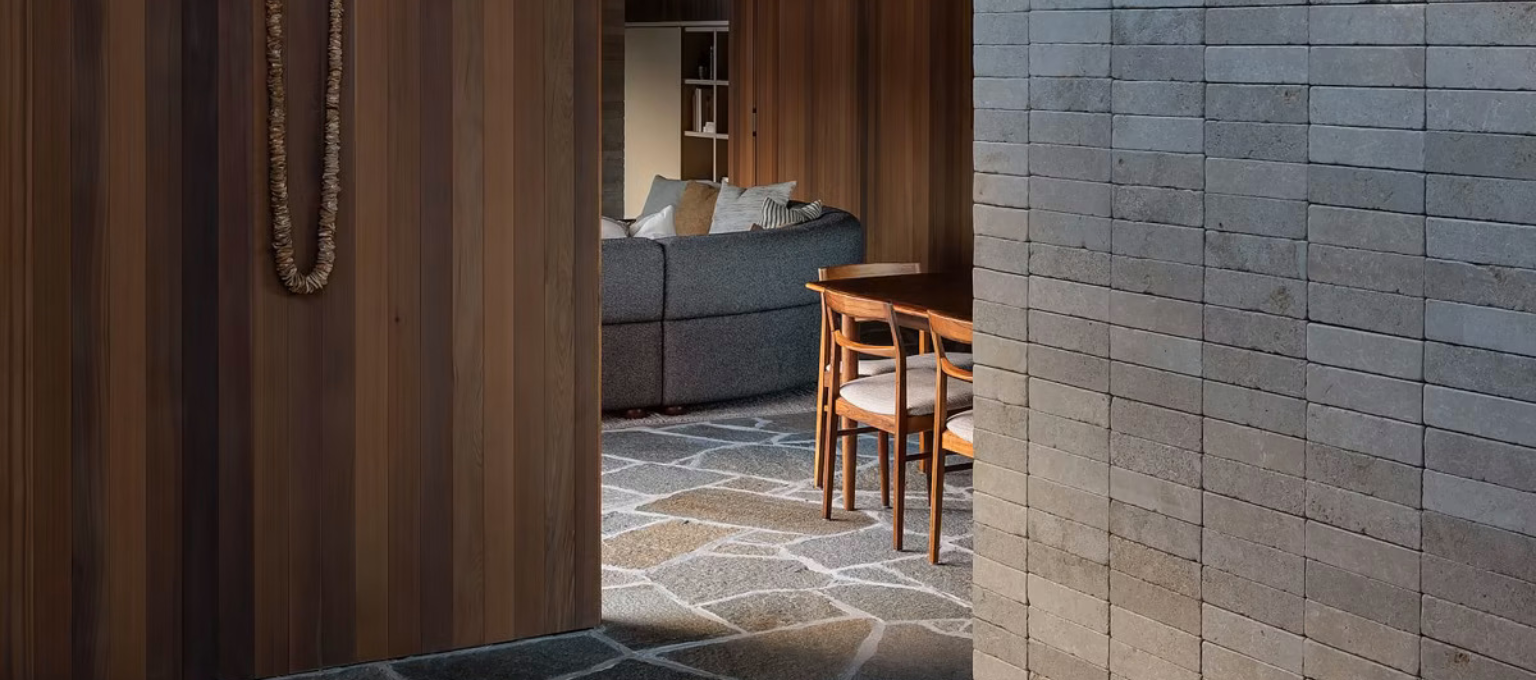
After several years dominated by whites, beiges and very pale interiors, colour palettes are gaining depth. This evolution is reflected in Houzz data, which shows growing interest in warm, earthy hues.
Browns, burgundies, earthy greens, clay tones and mineral shades create more enveloping environments. They are paired with tactile, natural materials such as richly grained wood, stone, patinated metals, wool, linen and handcrafted ceramics.
2. Reintroduce Expressive Colours and Forms
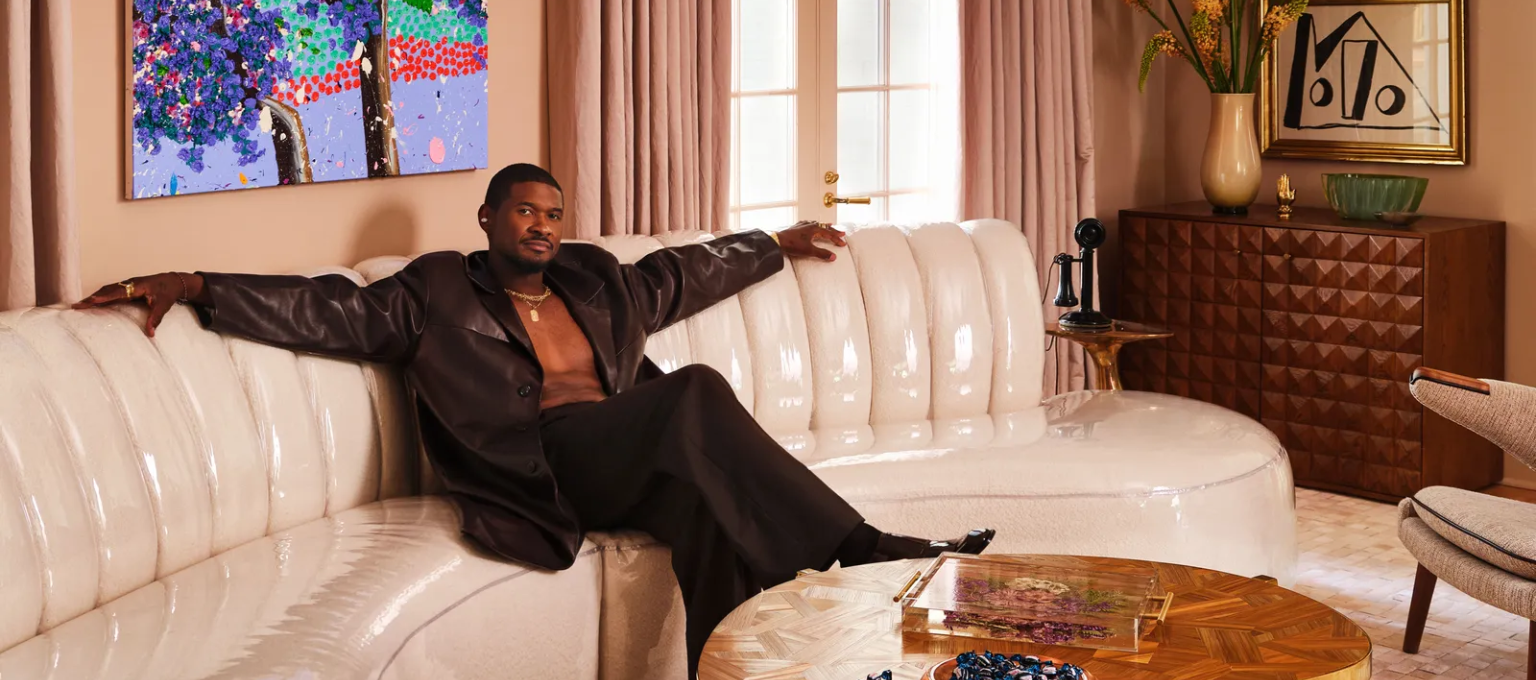
Usher’s Atlanta home, designed with Nicole Fuller. Photography by Frank Frances; styling by Mieke ten Have, for Architectural Digest, 2026.
The desire for personality is opening the door to more expressive influences. Peclers Paris associates this evolution with a new art of excess, driven by colour, eclectic combinations and objects imbued with meaning.
Sophisticated dopamine decor, Neo Deco and controlled maximalism are emerging as key sources of inspiration. Forms, colours and symbols encourage self-expression and create less standardized interiors that genuinely reflect the people who live there.
3. Choose Heat According to the Desired Experience
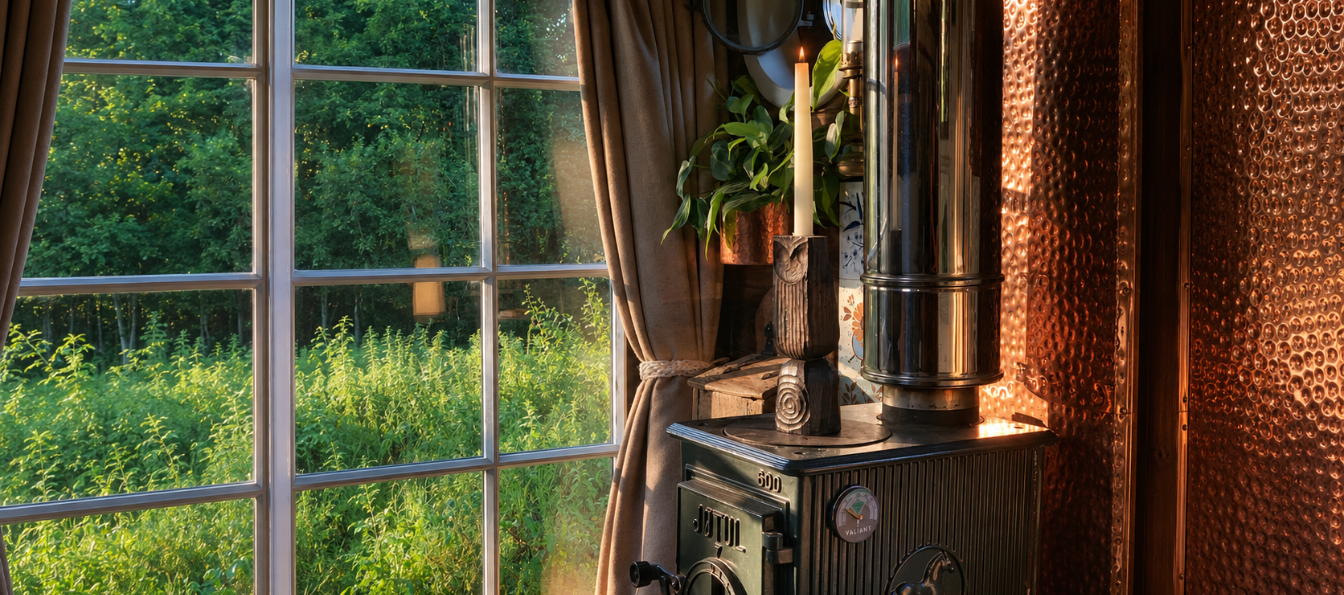
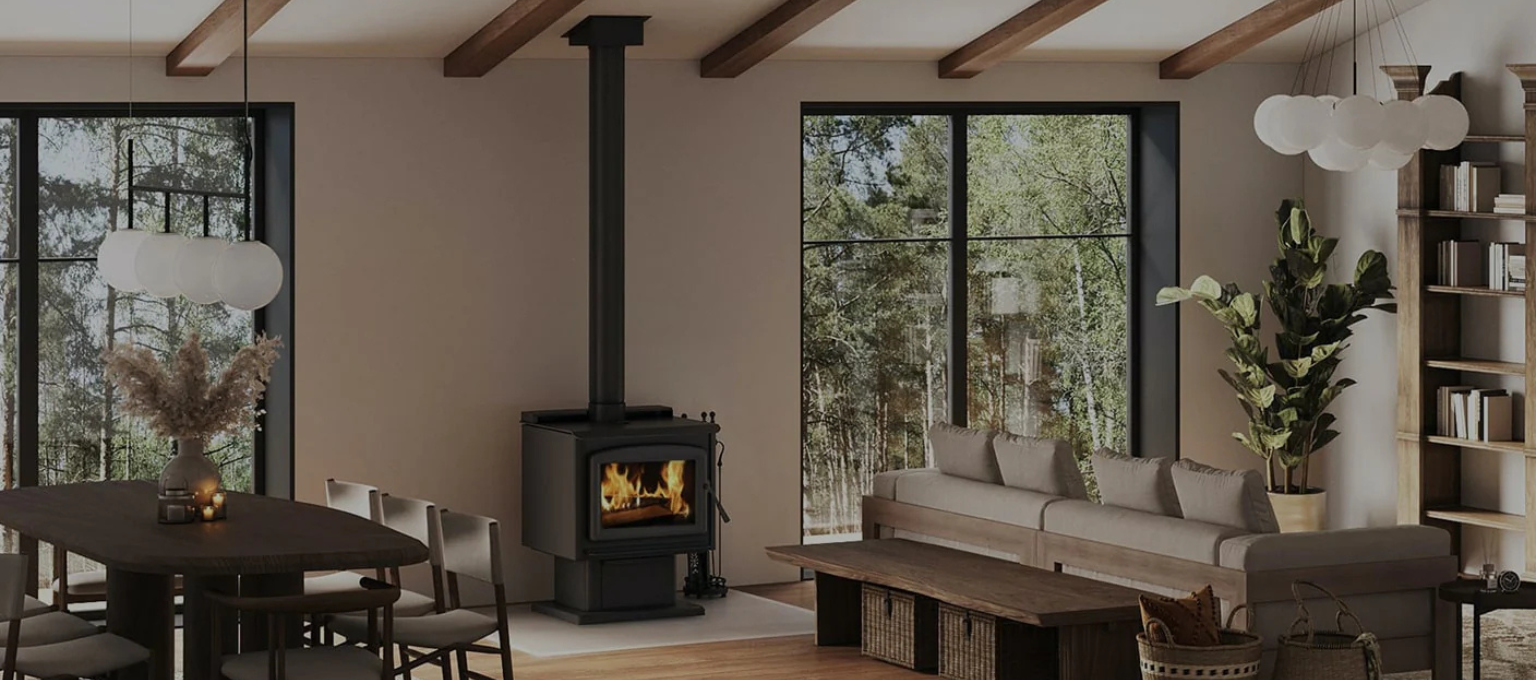
In a home designed as a sensory experience, temperature matters as much as appearance. It is now possible to choose not only the source of heat, but also the way that heat feels.
The cast iron of a Jøtul wood stove releases soft, radiant warmth, while a Blaze King wood stove is designed for long, controlled burn times and sustained heat. Piazzetta pellet stoves promote more even heat distribution, while gas and electric solutions provide warmth that is more immediate and easier to control.
Thermal comfort is becoming an integral part of the design.
4. Engage the Senses Through Material, Light and Flame
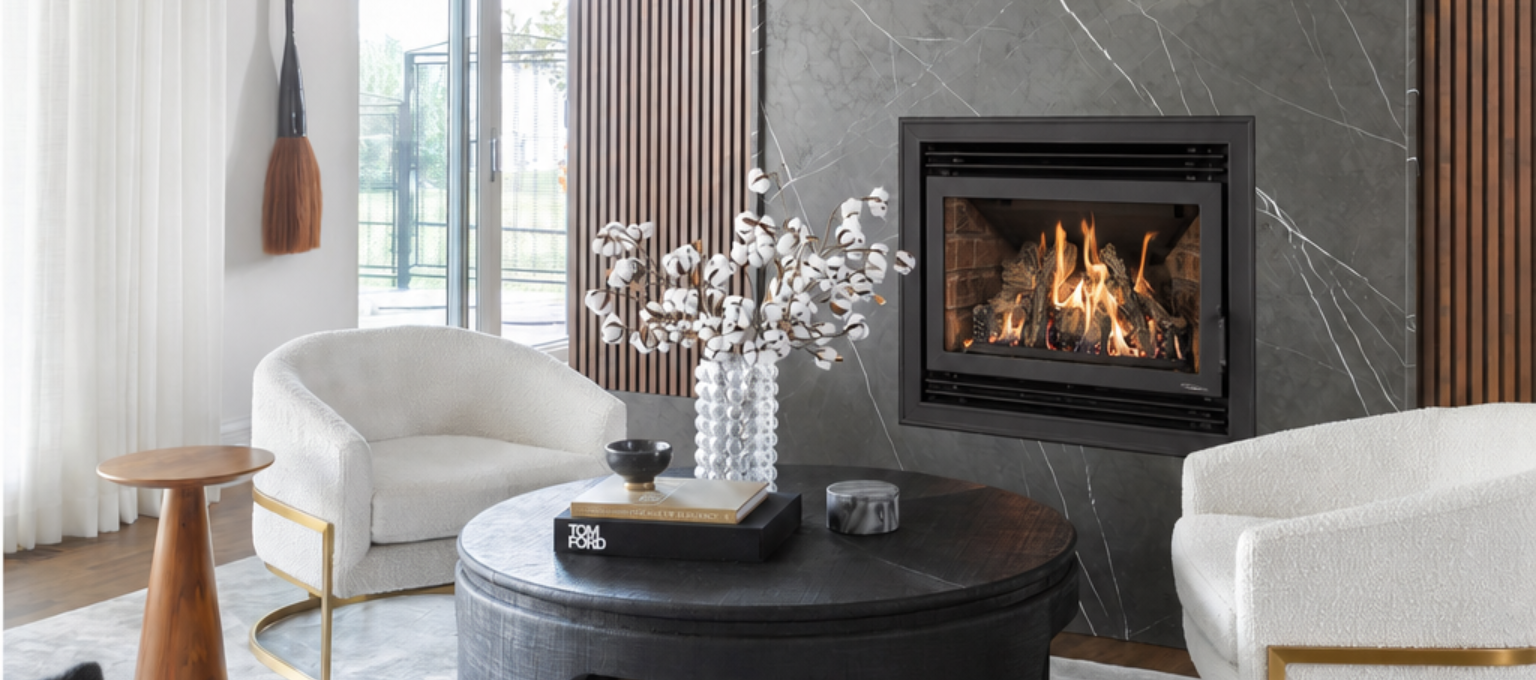
The texture of a wall, the warmth of a material, natural light, the acoustics of a room and the presence of fire all shape the experience of a space. House Beautiful associates this approach with interiors that feel more personal, enveloping and emotionally resonant.
5. Create Spaces That Invite You to Slow Down
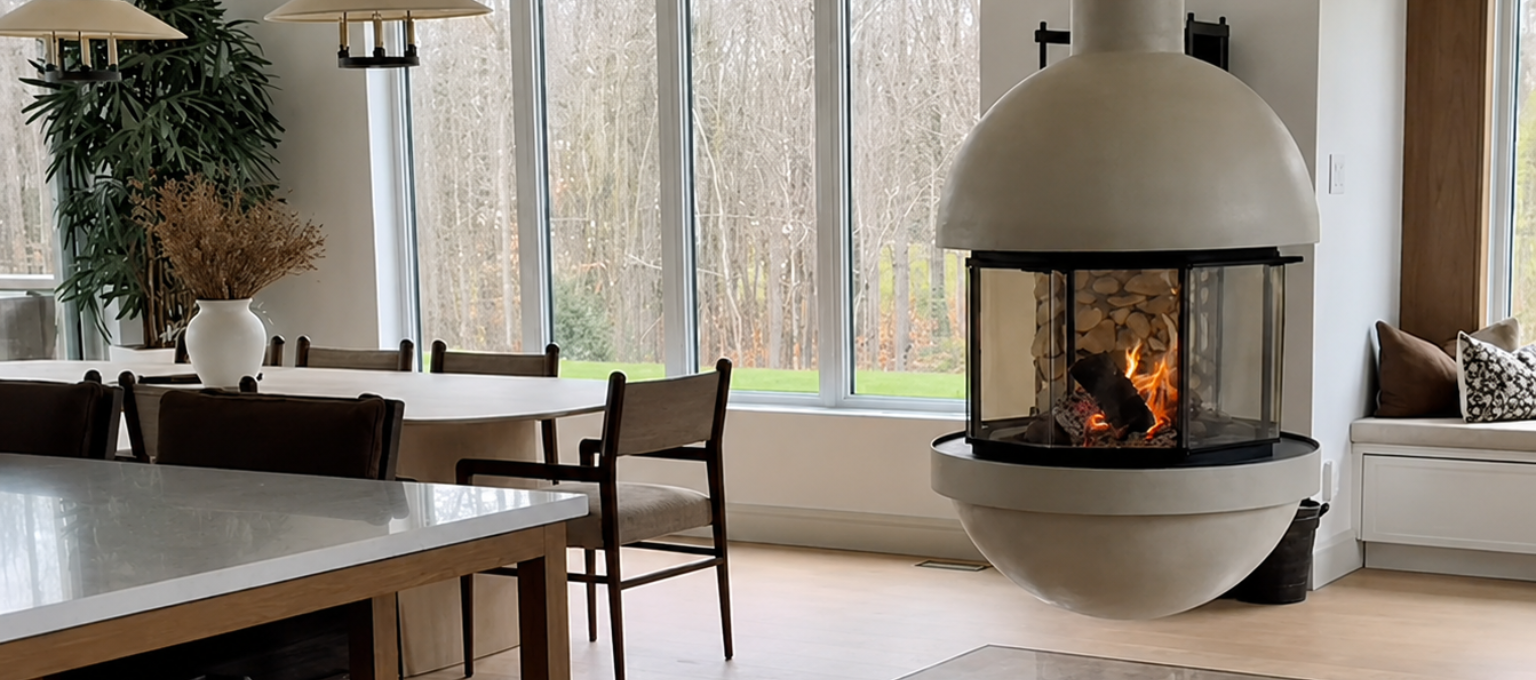
After years of optimizing every square foot for productivity, some areas of the home are returning to a much simpler purpose: switching off. Veranda notes the return of more intimate, comfortable rooms designed to encourage people to linger.
Residential luxury is becoming less demonstrative. It increasingly lies in a home’s ability to create enjoyable moments in everyday life.
6. Integrate Technology That Enhances Comfort Without Taking Over
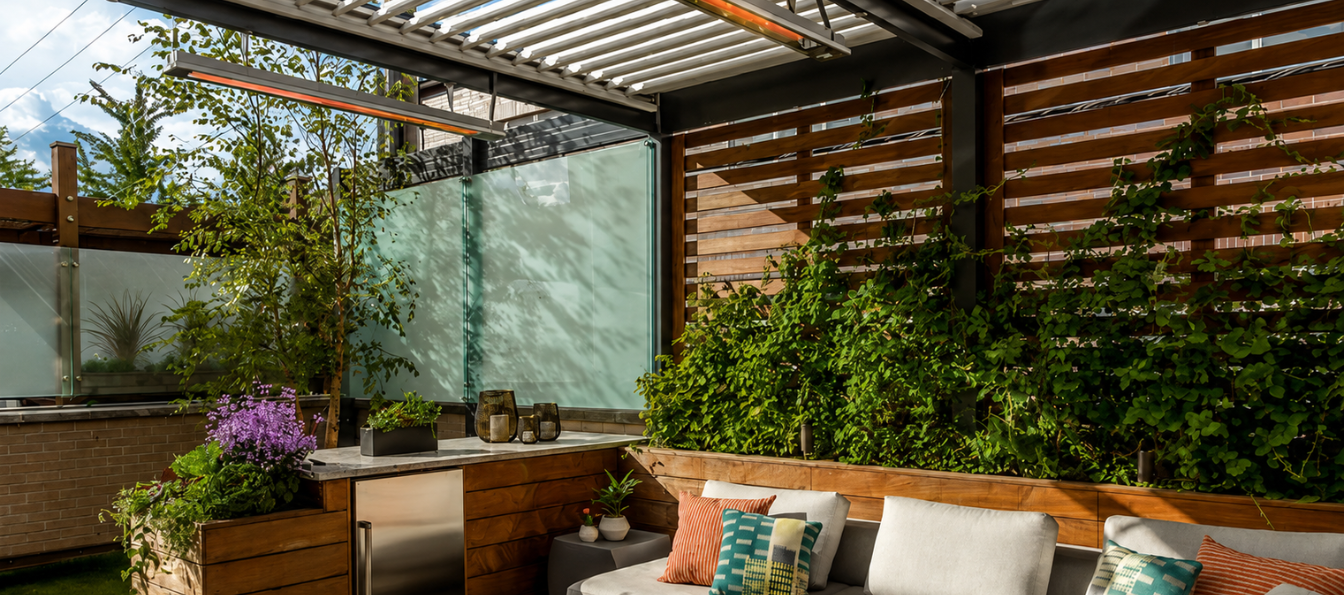
According to the NKBA, technology is increasingly valued when it improves comfort and simplifies everyday life without disrupting the aesthetic. Integrated thermostats, remote controls, programming and heat-distribution systems allow for more precise warmth that is better adapted to the occupants’ routines.
This principle extends outdoors as well. Infratech heating systems can be recessed into a ceiling or integrated into an architectural structure, discreetly extending the home’s comfort beyond its walls.
The ideal technology is no longer the technology we notice, but the technology that quietly simplifies the experience.
Bring Flame into Your Project
Are you working on an architecture or interior design project? Contact the Urban Hearth team to discuss stove, fireplace and outdoor fire solutions suited to your project.
Already know what you are looking for, or would you rather explore the options in person and benefit from a specialist’s advice?
RELATED ARTICLES




LATEST POSTS