2027 Home Trends
Luxury INTERIOR DESIGN & RESIDENTIAL ARCHITECTURE TRENDS
When the Home Becomes a Wellness Experience
By Alyssa Jerome
| August 26, 2026
In 2027, homes are shifting from the idea of “stripping everything back for Instagram” to creating more personal, sensory-rich environments that are truly enjoyable to live in. In this new approach, architecture and interior design are inseparable, working together to shape the experience, comfort, and character.
Through six major trends, we explore how this evolution is transforming luxury residential design and provide ideas for integrating flame, thermal comfort, and outdoor heating into this modern lifestyle.
The Starting Point: Designing Around Invisible Wellness
This change clearly aligns with concrete expectations. According to the NKBA, homeowners increasingly desire spaces that promote well-being, express their identity, and make daily routines easier.
The association defines invisible wellness as elements that significantly enhance a space’s experience without being overly noticeable. Important design factors now include lighting, acoustics, air quality, ventilation, thermal comfort, storage, and an intuitive floor plan.
In 2027, choices will go well beyond colours and materials. They are increasingly shaped by the habits, emotional needs, and daily realities of the people who live in the space.
Six Ways to Embrace Sensory Design
1. Enrich Spaces with Natural Materials and Deeper Colours
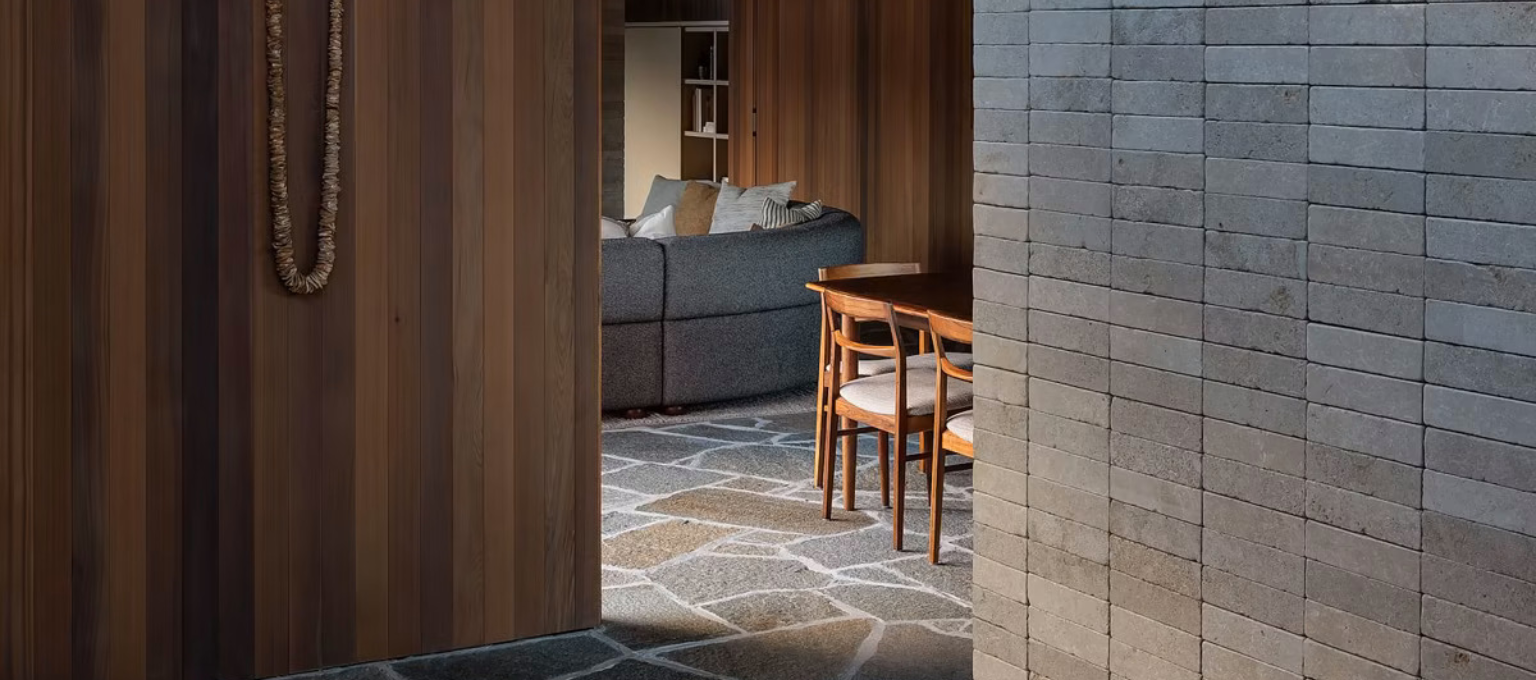
After several years dominated by whites, beiges and very pale interiors, colour palettes are gaining depth. This evolution is reflected in Houzz data, which shows growing interest in warm, earthy hues.
Browns, burgundies, earthy greens, clay hues, and mineral shades craft more immersive spaces. These colors are combined with tactile, natural materials like richly textured wood, stone, patinated metals, wool, linen, and handcrafted ceramics.
2. Reintroduce Expressive Colours and Forms
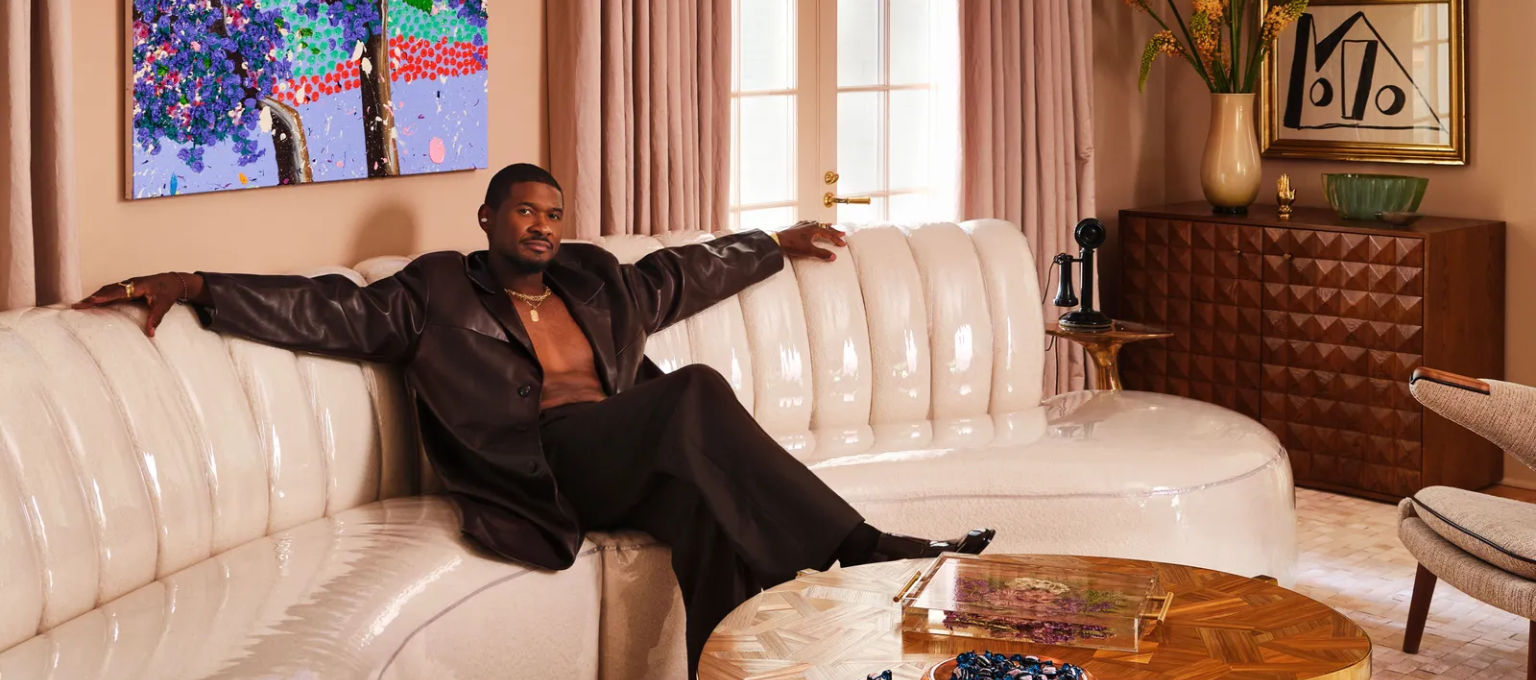
Usher’s Atlanta home, designed with Nicole Fuller. Photography by Frank Frances; styling by Mieke ten Have, for Architectural Digest, 2026.
The desire for personality is opening the door to more expressive influences. Peclers Paris associates this evolution with a new art of excess, driven by colour, eclectic combinations and objects imbued with meaning.
Sophisticated dopamine decor, Neo Deco, and controlled maximalism are becoming main sources of inspiration. Their forms, colors, and symbols foster self-expression, leading to less uniform interiors that truly mirror the personalities of the inhabitants.
3. Choose Heat According to the Desired Experience
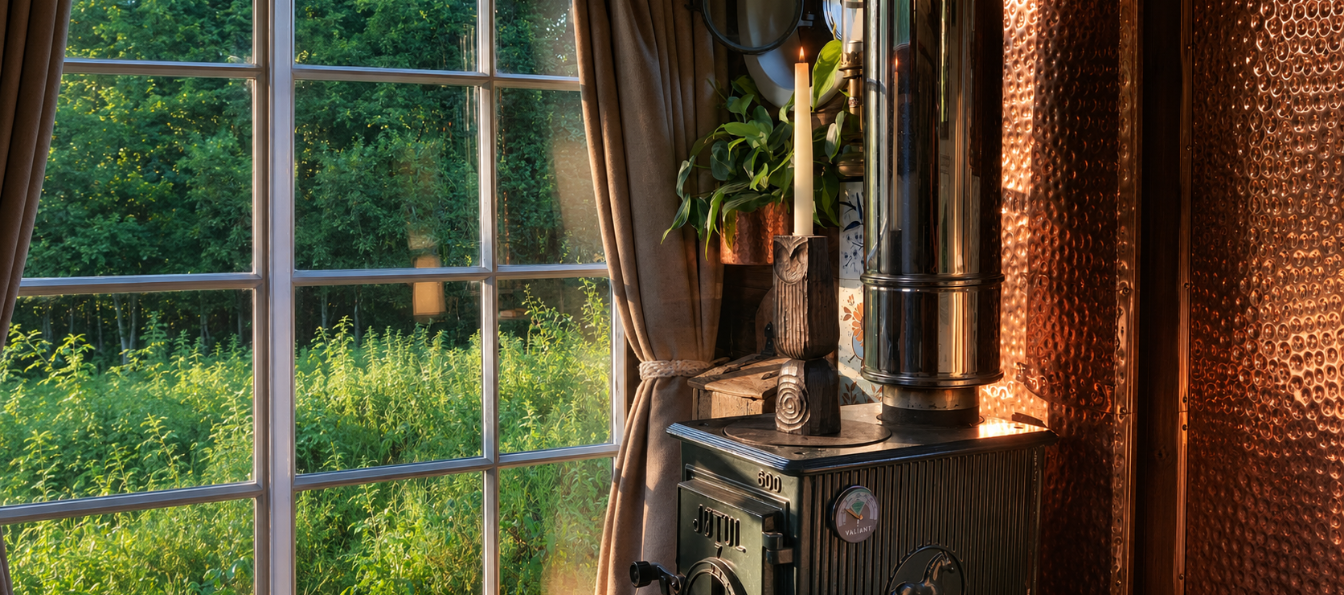
In a home crafted as a sensory experience, temperature is just as important as its appearance. Now, you can select not only the heat source but also how the heat feels. In 2027, thermal comfort is evolving into a key element of design.
4. Engage the Senses Through Material, Light and Flame
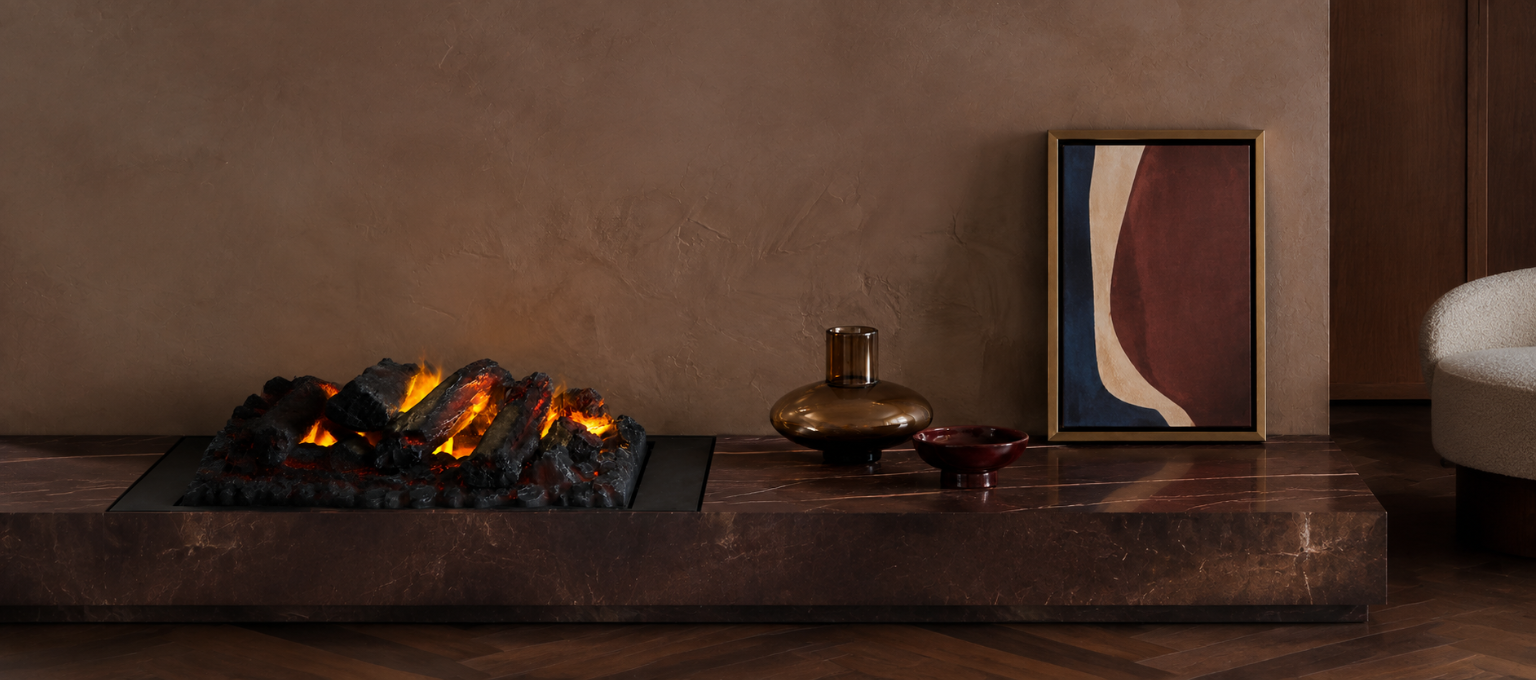
The feel of a wall, the warmth of a material, natural light, room acoustics, and the presence of fire all influence how we experience a space. House Beautiful associates this approach with interiors that feel more personal, enveloping and emotionally resonant.
5. Create Spaces That Invite You to Slow Down
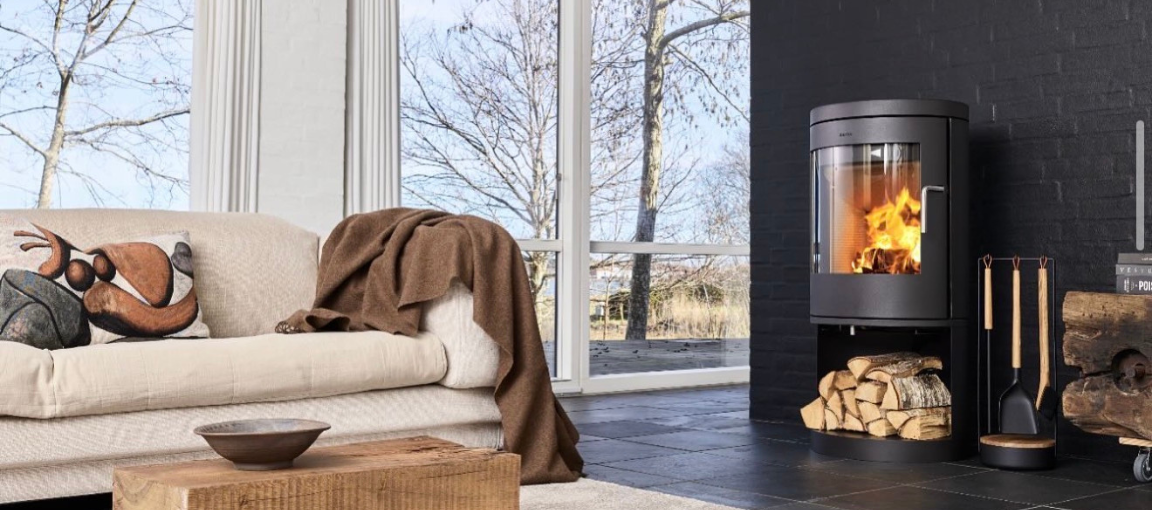
After years of maximizing every inch for work, some parts of the home are now serving a simpler role: just unwinding. Veranda notes the return of more intimate, comfortable rooms designed to encourage people to linger.
Luxury in residential spaces is shifting away from showy displays and instead focusing on how well a home facilitates pleasant everyday moments.
6. Integrate Technology That Enhances Comfort Without Taking Over
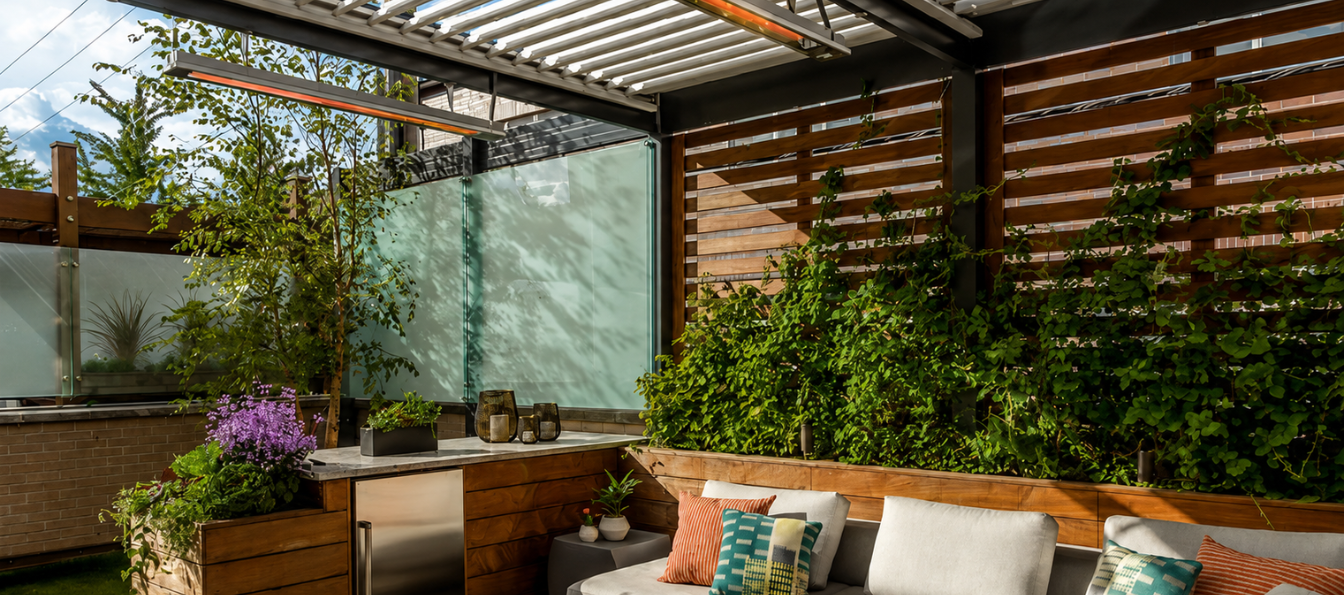
According to the NKBA, technology becomes more appreciated when it enhances comfort and makes daily living easier without compromising design. Features like integrated thermostats, remote controls, programming options, and heat-distribution systems enable more accurate heating tailored to the users’ routines.
This principle also applies outdoors. Infratech heating systems can be embedded into a ceiling or incorporated into an architectural feature, subtly expanding the home’s comfort outside its walls.
The best technology is no longer the one we actively observe, but the one that subtly makes the experience easier.
Bring Flame into Your Project
Are you engaged in an architecture or interior design project? Reach out to our team to explore stove, fireplace, and outdoor heating options tailored to your needs.
Already know what you want, or would prefer to explore options in person and get advice from a specialist?
RELATED ARTICLES



LATEST POSTS